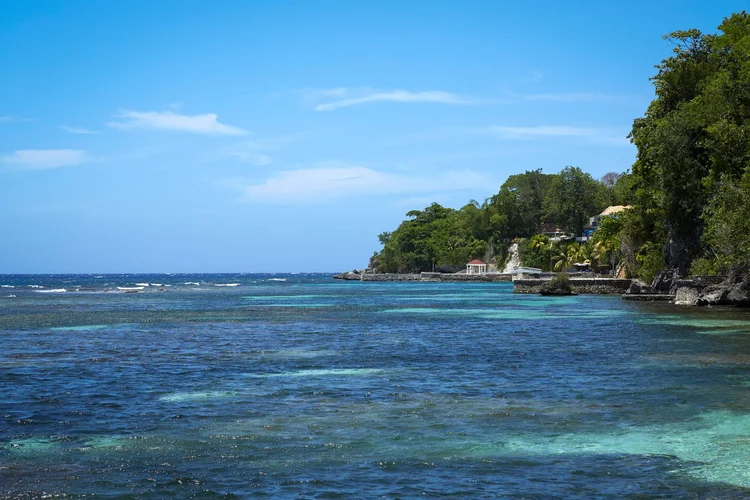
On Oracabessa Bay, on Jamaica’s north coast, Ian Fleming’s former home forms part of GoldenEye. Known as Fleming Villa, the house carries a literary and musical history that rewards a closer look at its spaces. I photographed the property during my work with Airbnb Luxe, documenting the house, its gardens and its relationship with the sea.

Fleming returned to Jamaica in 1946 to build his retreat. Writing for House & Garden in 1958, he described large, airy rooms, a garden that had grown around the house and glimpses of the landscape through the shutters while he worked. His account introduces the house through everyday activities: writing, watching the garden and listening to the sea. Read Fleming’s account in House & Garden.
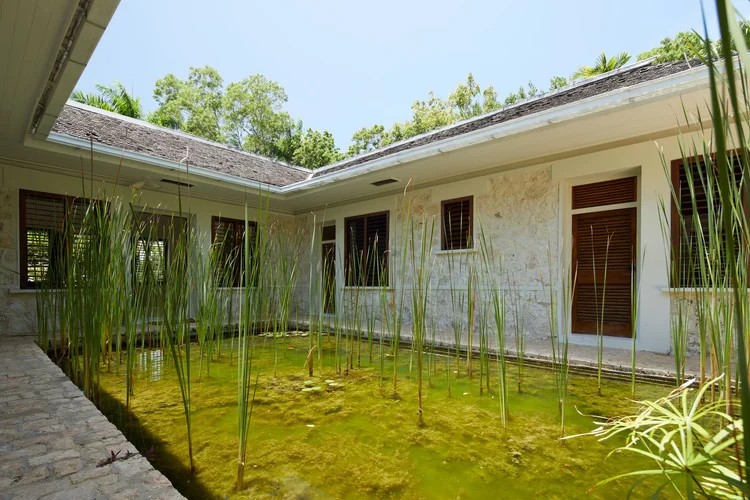
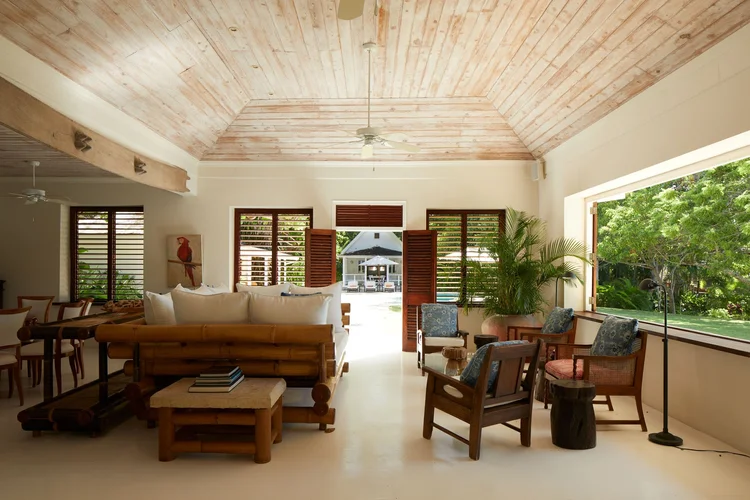
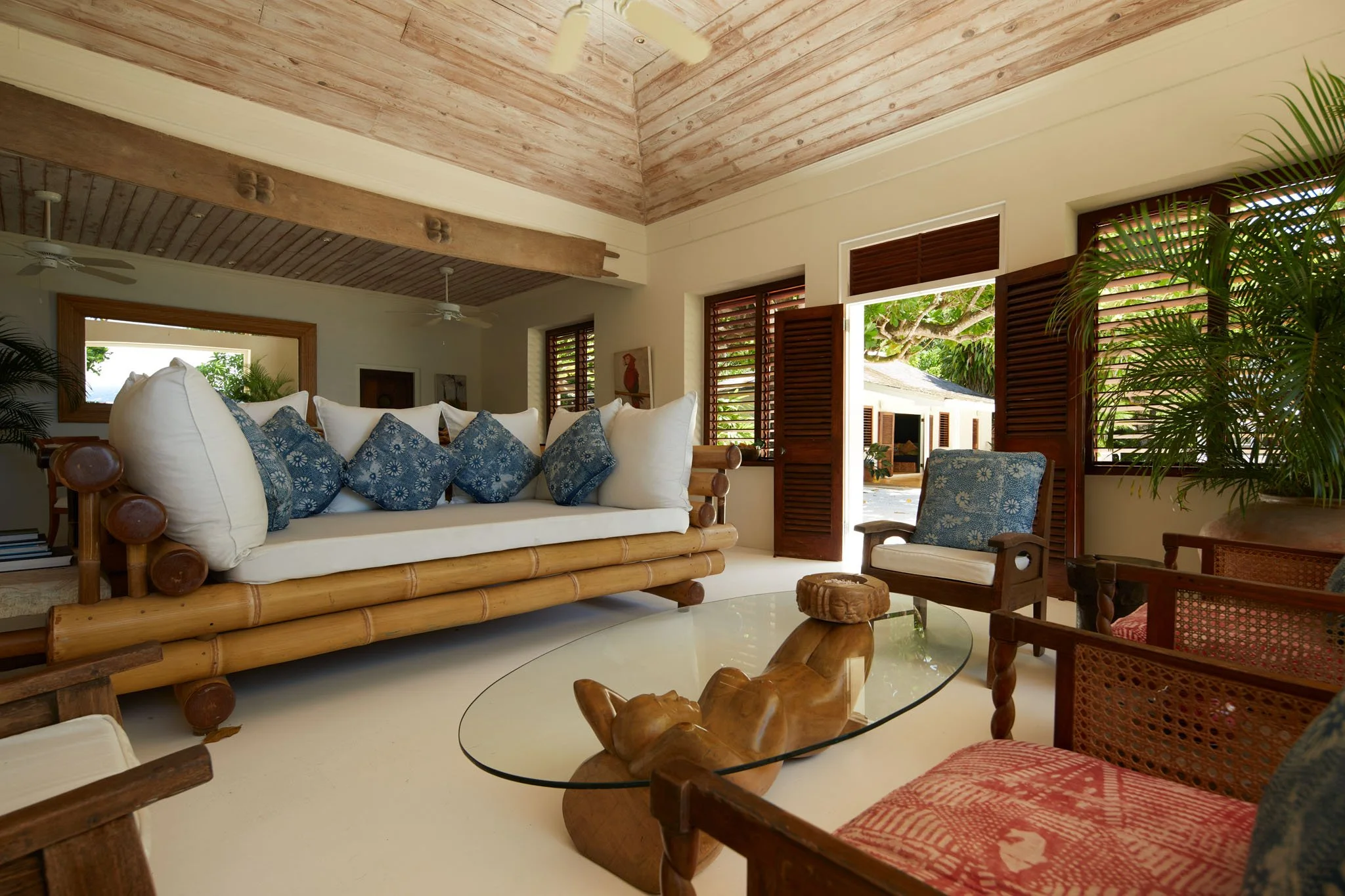
The house has also changed over time. Linda Garland later updated its interiors for Chris Blackwell, opening up ceilings, enlarging the shutters and creating outdoor bathrooms, as documented by Architectural Digest. Read about the changes.
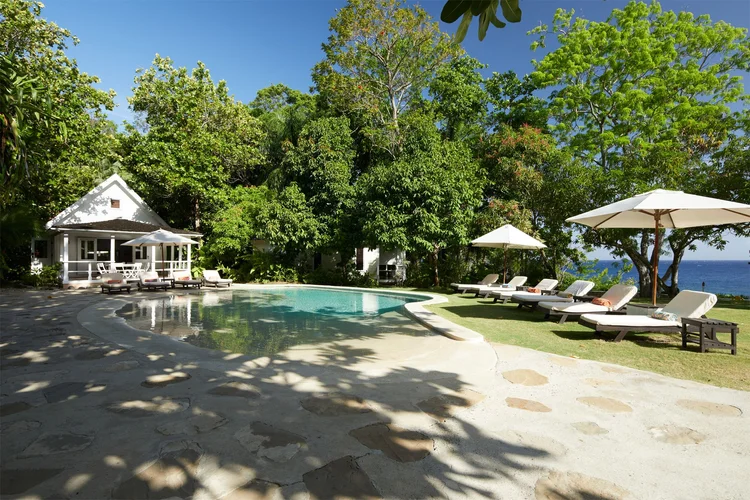
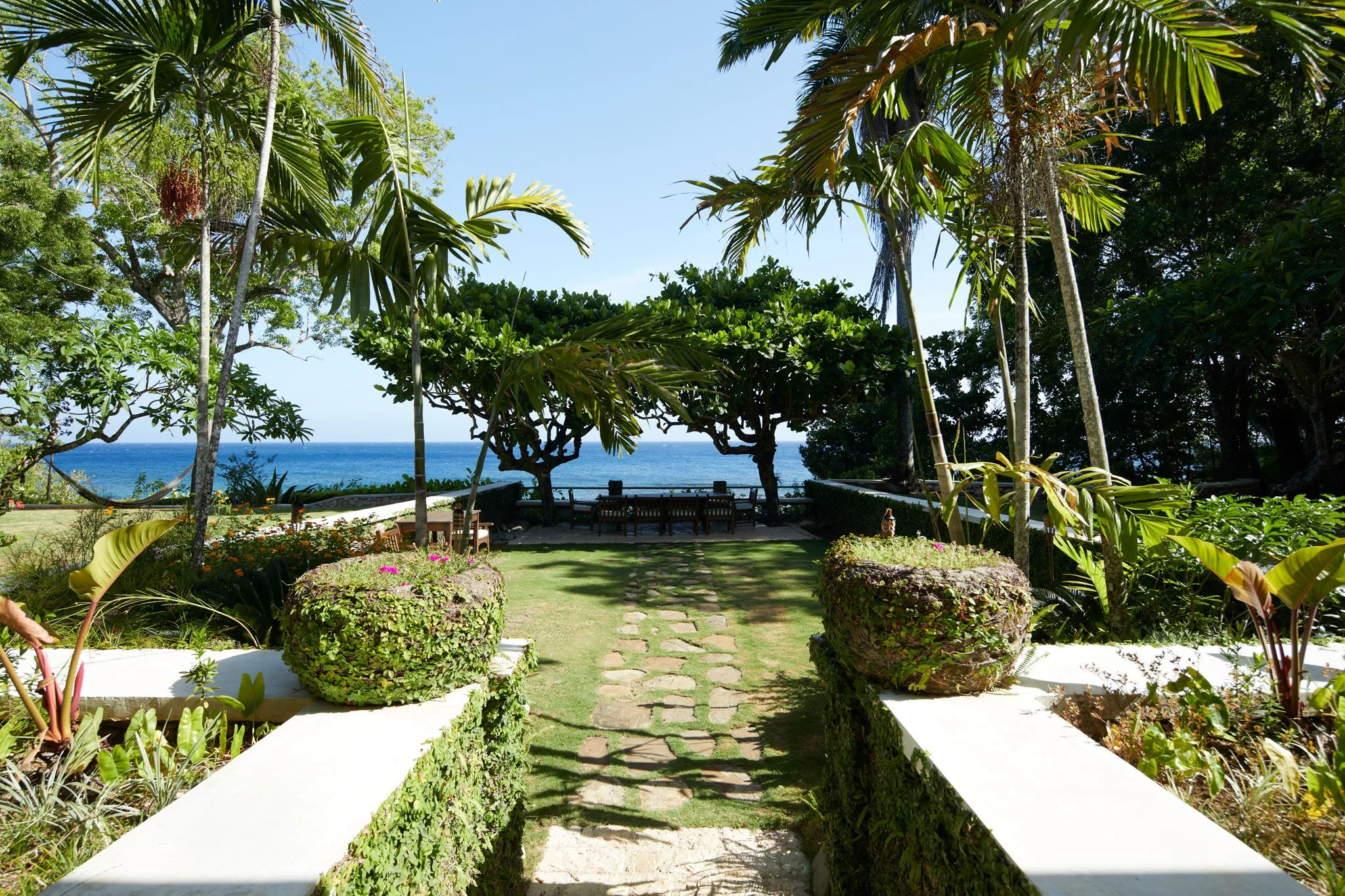
Today, the property includes the original three-bedroom house and two later additions, Sweet Spot and Pool House. Gardens and a private beach extend the connection between its indoor and outdoor spaces. The official Fleming Villa website distinguishes these additions from the original building conceived by the writer. Understanding that evolution gives context to the house seen in photographs today.
In February 1952, Fleming began writing Casino Royale at GoldenEye. Published on 13 April 1953, the novel introduced James Bond to readers. His subsequent stays in Jamaica became part of a writing routine that sustained the series. Explore the Ian Fleming Publications timeline.
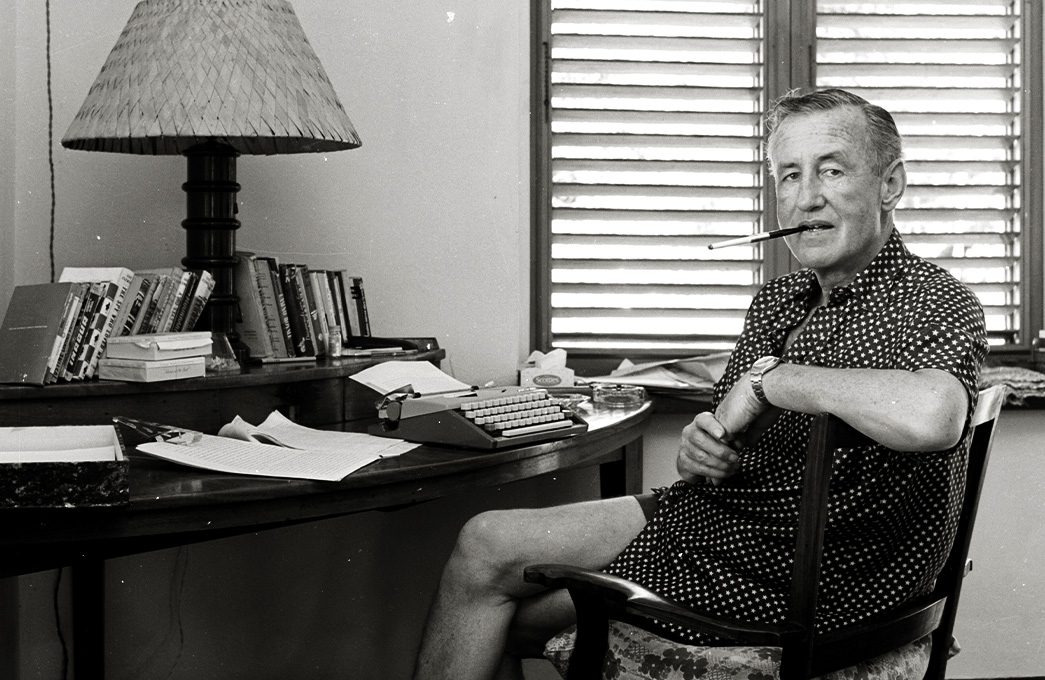

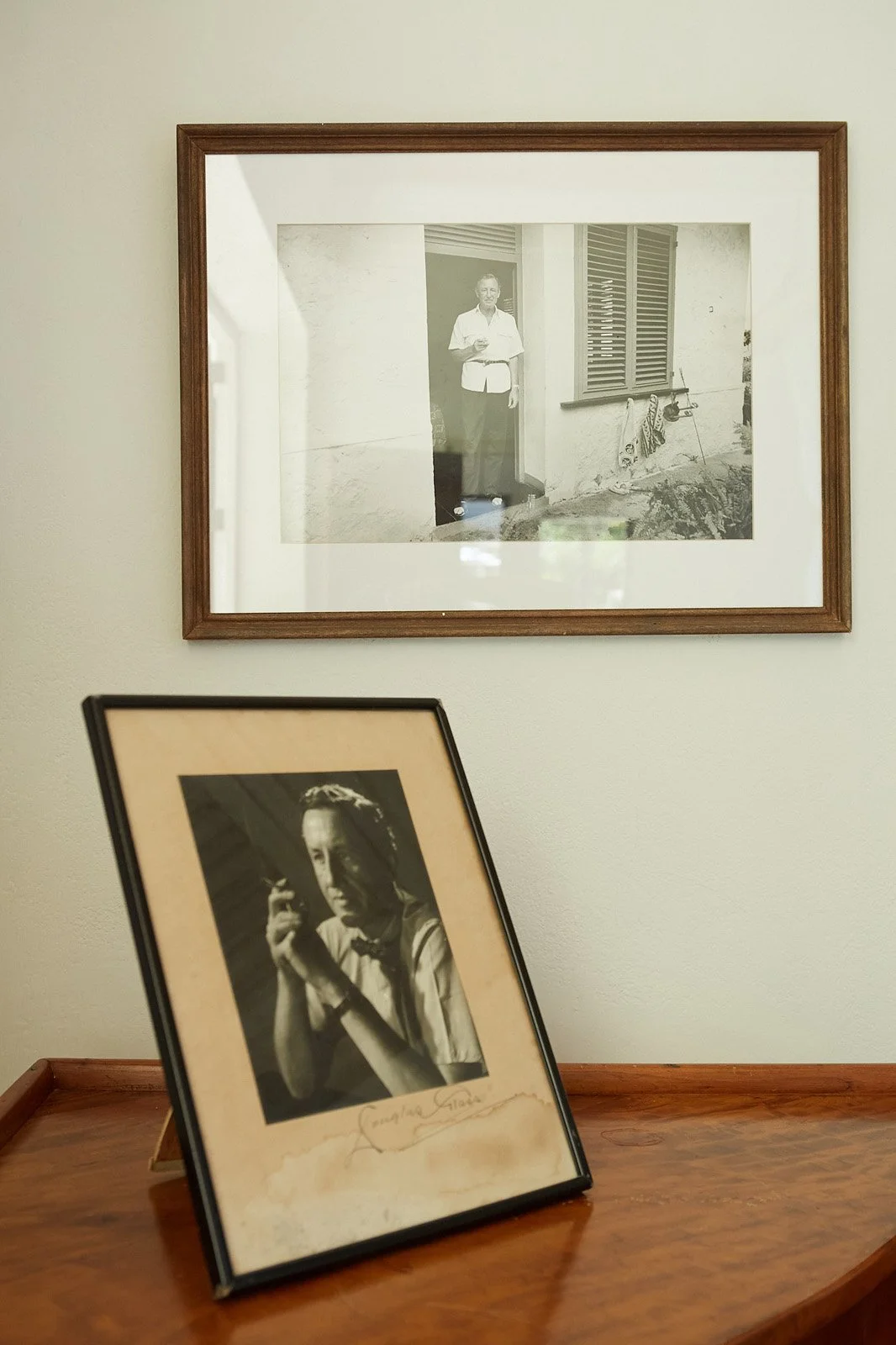
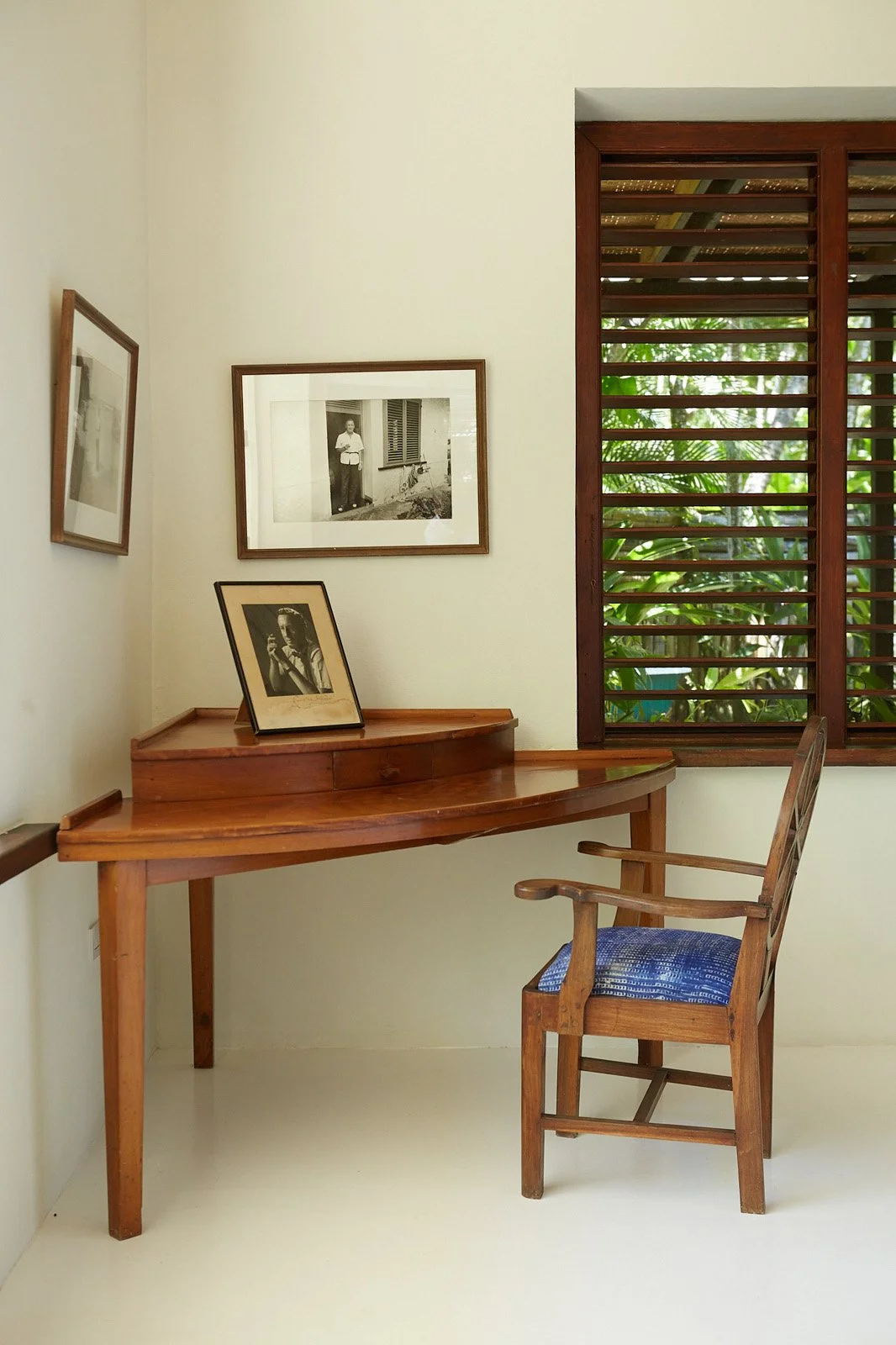
Knowing this history changes how we read an interior. A desk or a set of shutters takes on a different significance when we know what was written beside them. In architectural photography, such details offer a way to connect the arrangement of a house with the lives it has accommodated.
Decades later, GoldenEye became a setting for another creative endeavour. In a 1985 interview with SPIN, Sting recalled staying at Fleming’s former home and writing “Every Breath You Take”, “King of Pain” and “Wrapped Around Your Finger” at the writer’s desk overlooking the ocean. He then took the songs to Montserrat, where The Police recorded Synchronicity. Read the interview with Sting.
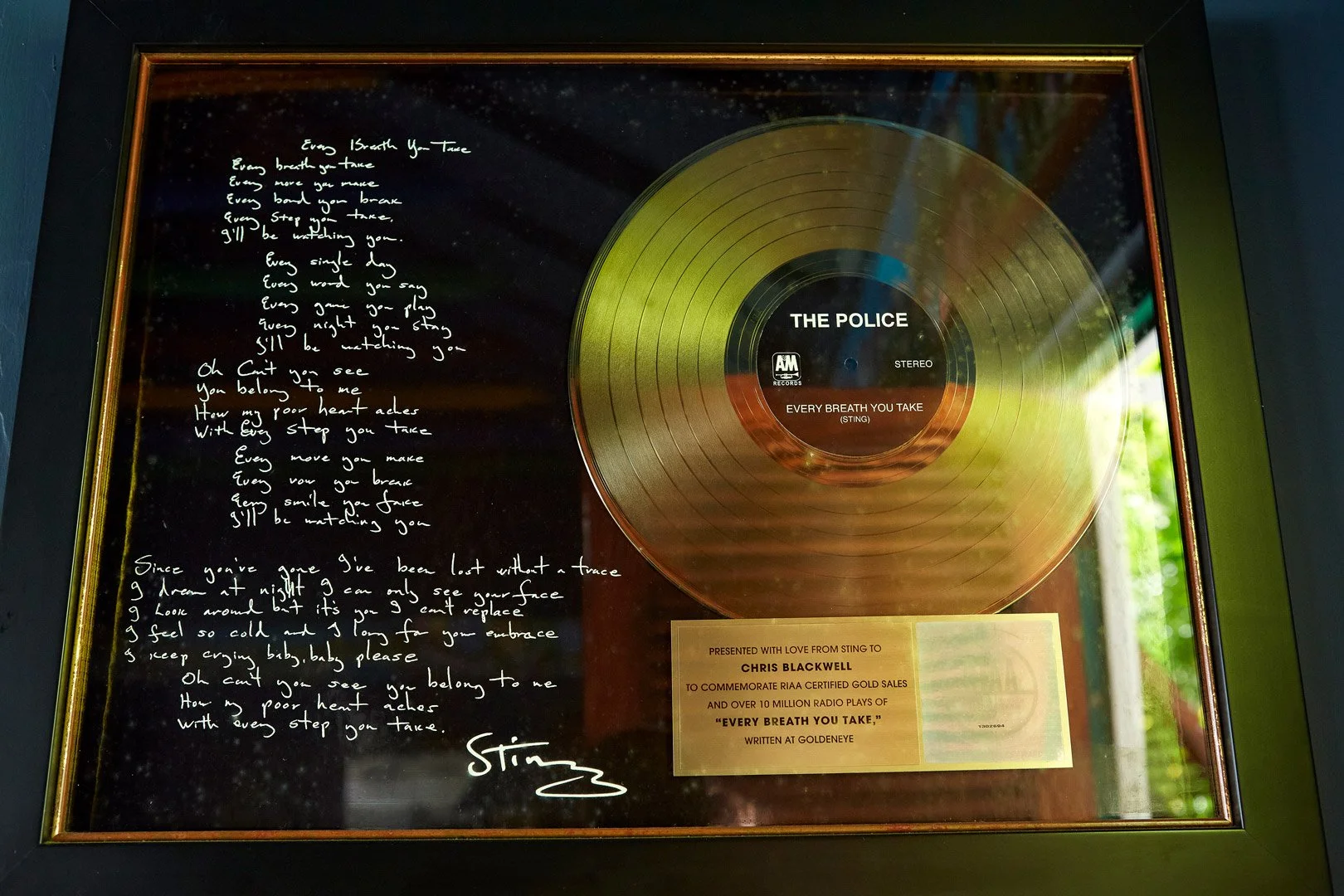
The Police gold record I photographed at the villa brings that story into the series. Travel Weekly also documented the framed display, including handwritten lyrics and a dedication from Sting to Blackwell. The object connects a domestic interior with the music created there. Read the Travel Weekly feature · Watch the official “Every Breath You Take” video.
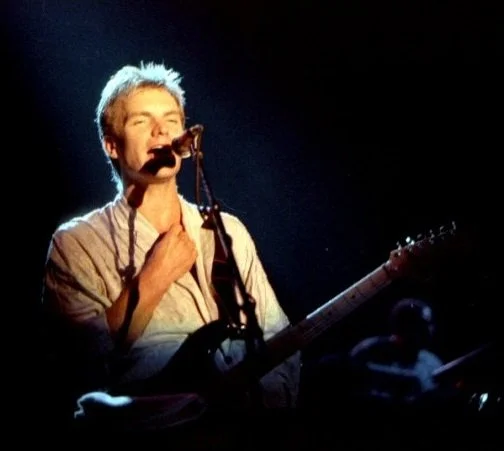
Sting, 1985 · Helge Øverås / Commons · CC BY-SA 4.0 (cropped).
This stretch of coast has connections to James Bond beyond the house itself. James Bond Beach is in Oracabessa, in the parish of St Mary, as recorded in Jamaica’s official tourism plan. The celebrated scene of Honey Ryder emerging from the sea in Dr. No, however, was filmed at Laughing Waters, according to the official 007 website. These are distinct places in Bond’s Jamaican geography.
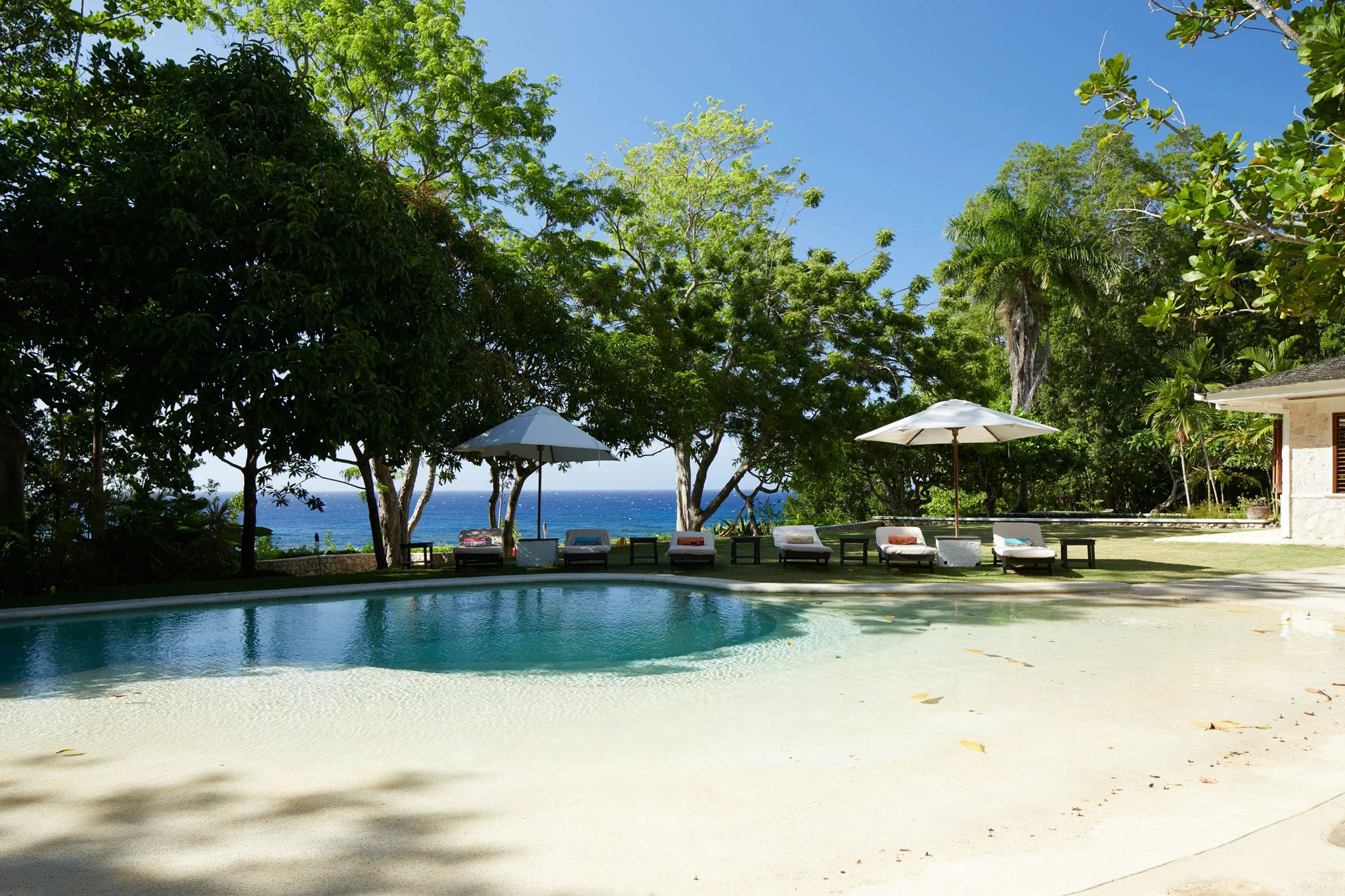
For a property with this history, wider views and details serve complementary purposes. The wider photographs explain the house and its setting; the details bring its identity closer to the reader. A sequence can move from the architecture into the garden, continue towards the water and pause at an object that opens another part of the story. When photographing villas and hospitality spaces, this approach helps communicate what makes each place particular.
Several photographs from this commission appeared with a credit to Nacho Dorado in Condé Nast Traveler España’s 5 November 2021 feature on Fleming Villa. View the publication.
Explore the complete Fleming Villa photography project.
If you are planning photography for a villa, a hotel or a space with a story of its own, tell me about your project.